
Resistance Bands vs Dumbbells: Which Is Better for Home Workouts?
Choosing the right equipment for home training can feel overwhelming. Resistance bands and dumbbells are two of the most common options — each has clear strengths and trade-offs depending on goals, space, and budget.
This guide compares how they work, what they do best, and practical tips to help you decide which one (or combination) fits your home routine. Expect straightforward advice, program ideas, and gear suggestions so you can start training smarter today.
How resistance bands and dumbbells work
Resistance bands provide variable tension that increases as the band stretches. That means the load changes through the range of motion — often lighter at the start and heavier at the end. Bands are ideal for movement control, higher-rep work, rehab, and adding resistance where free weights are impractical. Consider a ready kit like Resistance Bands for Working Out (5-Pack) if you want a compact multi-resistance setup for home.
Strength and muscle growth: who wins
Dumbbells are superior when the goal is maximal strength and hypertrophy because they deliver consistent, measurable load and allow for progressive overload with predictable increments. Heavy dumbbell work—especially with compound lifts—stimulates muscle and neurological adaptation efficiently. If you’re serious about building size or strength at home, a basic set such as Yes4All Neoprene Dumbbells or adjustable dumbbells are a practical investment.
Progression and tracking progress
Progression is easier to quantify with dumbbells since you can increase weight in fixed steps. That makes tracking clear: more reps at the same weight or heavier weights over time equals progress. Resistance bands require creativity (increase tension, change anchors, add reps or tempo) but still support progression. Using wearable tech to monitor sessions and recovery helps keep consistent overload and avoid plateaus—consider tracking with a device like the Smart Watch Fitness Tracker to log workouts, HR, and trends over time.
Versatility and programming
Both tools are versatile but in different ways. Dumbbells shine for loaded compound moves (presses, rows, squats, lunges), isolation work, and heavy single-limb loading. Pairing dumbbells with an adjustable bench expands your exercise library and allows incline/decline variations—something to consider if you plan progressive, bodybuilding-style programs. A sturdy option like the YOLEO Adjustable Weight Bench will broaden what you can do with a dumbbell set.
Safety, technique, and common mistakes
Technique matters more than the tool. Bands can snap if worn or anchored improperly; dumbbells can strain joints if too heavy or with poor form. Use supportive accessories and practice controlled reps. For grip and wrist support when lifting heavier dumbbells, consider using gloves designed for weight training such as the ihuan Ventilated Weight Lifting Gym Gloves. Always prioritize gradual load increases and solid technique—especially for single-leg or overhead movements.
Space, cost, and portability
Resistance bands win on space and portability: they tuck into a drawer, travel bag, or small shelf and cost very little. Dumbbells require more space, storage, and a larger upfront cost for heavier weights. However, secondhand dumbbells or adjustable sets can reduce cost-per-pound. If apartment living or frequent travel is a factor, bands offer a huge advantage for staying consistent.
Recovery, nutrition, and practical extras
Equipment choice is only part of training outcomes—nutrition and recovery matter. Simple gear like quality shaker bottles makes post-workout protein and hydration practical and consistent. If you rely on quick shakes after home sessions, check out the selection of Protein Shaker Bottles to make recovery easier and cleaner at home.
Conditioning and complementing your program
Neither bands nor dumbbells fully replace dedicated cardio machines when you need true conditioning work; however, both can be used for metabolic circuits, kettlebell-style swings, and sprint-style sets. If you want a compact cardio complement for home that sits alongside strength work, consider a rower for low-impact, full-body conditioning like the YOSUDA Rowing Machine. It pairs well with strength days for balanced fitness.
Staying motivated: environment and routine
Small accessories make workouts more enjoyable and consistent. Good sound can boost intensity and focus—wireless, sweat-resistant earbuds designed for workouts reduce distractions. If music or coaching audio helps you stick to a schedule, try workout-focused options like the Raycon Essential Open Ear Earbuds. Pair them with short, structured sessions to keep habit formation simple.
Quick checklist: Which to choose for your home setup
- If you prioritize portability, low cost, and rehab-friendly work: choose resistance bands.
- If you prioritize maximum strength gains and straightforward progression: choose dumbbells.
- Want both? Use bands for warm-ups, mobility, and accessory work; use dumbbells for heavy compound lifts.
- If space permits, add an adjustable bench to expand exercise variety.
- Track progress with a basic fitness tracker or smartwatch and keep a simple recovery routine (protein + hydration).
FAQ
- Can resistance bands build muscle as well as dumbbells? Yes—bands can hypertrophy muscles when you apply sufficient tension and volume, but dumbbells make progressive overload easier to quantify for heavier strength goals.
- Are bands safe for beginners? Yes—bands are low-impact and great for learning movement patterns. Use appropriate resistance and inspect bands for wear before each use.
- Do I need a bench if I have dumbbells? A bench significantly expands exercise options (incline/decline press, seated rows, step-ups) and improves variety; it’s a worthwhile addition if you have space for one.
- Which is better for fat loss? Neither tool directly burns more fat — fat loss depends on total calories and training intensity. Both can be used in circuits or metabolic workouts that support fat loss when combined with nutrition.
- How should I combine both for home workouts? Start sessions with bands for mobility and activation, use dumbbells for compound lifts (3–5 sets of 4–12 reps), then finish with banded accessory work or short circuits for conditioning.
Conclusion — practical takeaway
There’s no universal “better” tool: resistance bands excel for portability, rehab, and movement variety; dumbbells excel for measurable strength and muscle growth. For most home trainers the best approach is a hybrid plan—use bands for warm-up, mobility, and high-rep accessory work, and use dumbbells for progressive overload on main lifts. Add a few supportive items (tracking device, shaker, earbuds, or a bench if space allows) to make training consistent and effective.
Products Featured in This Article

Smart Watch Fitness Tracker with 24…
Health Fitness Tracker Smart Watch with Always on Display 24/7 Heart Rate Blood Pressure Blood Oxygen…


Yes4All Neoprene Dumbbells, Pairs a…
Build a flexible home workout setup with Yes4All Neoprene Dumbbells, available in individual pairs and multi-weight…

Resistance Bands for Working Out, 5…
Resistance Bands for Working Out Complete 5-Pack Fitness Kit: This versatile set of durable resistance bands…

YOLEO Adjustable Weight Bench, ASTM…
From the brand YOLEO Support Your Strength 10M+ Home Gym Lovers Choose For 20 years, YOLEO…
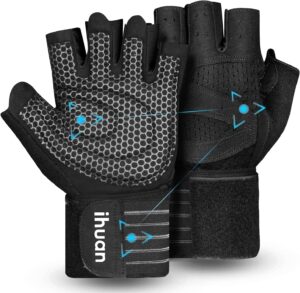
ihuan Ventilated Weight Lifting Gym…
Product description ✅ Full Palm Protection: No more torn hands and no more calluses. The Ihuan…
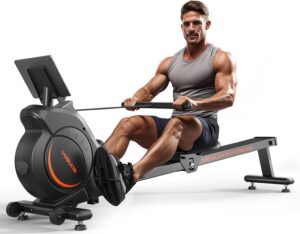
YOSUDA Rowing Machine for Home, Mag…
1 💪【Full-Body Low-Impact Cardio Training】Engage over 85% of your muscles in every stroke. This rowing machine…
