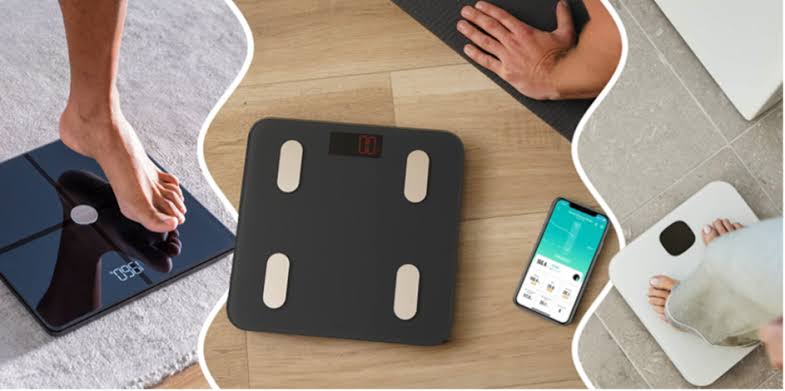
How to Use a Smart Scale Without Obsessing Over the Number
Smart scales are useful tools: they offer quick feedback and trends that can help guide fitness and nutrition choices. But for many people a smart scale becomes a daily source of stress when the focus narrows to a single number.
This post gives practical strategies to use a smart scale as a helpful data point—without letting the number dictate your mood, your self-worth, or every decision in your routine.
Why the number can be misleading
Body weight fluctuates daily because of food, water, glycogen stores, digestion, and even the time of day. A smart scale may also estimate body fat, muscle mass, and water percentage using bioelectrical impedance—data that can be affected by hydration, recent exercise, and skin temperature.
How smart scales work — and what they actually measure
Most consumer smart scales use weight sensors plus a bioelectrical impedance analysis (BIA) to estimate body composition. That makes them great for tracking trends but imperfect for absolute values. Treat body-composition estimates as directional signals rather than precise diagnostics.
When and how to weigh for the clearest signal
Pick consistent conditions: first thing in the morning, after emptying your bladder, and before eating. Wear minimal clothing and place the scale on a hard, level surface. If you want a reliable daily device, consider a stable model like the GE bathroom scale, but remember even high-quality scales show short-term noise.
Use the scale to track trends, not daily swings
Create a simple trend line by averaging weight over a week. Look for direction over time: is your weekly average trending down, up, or holding steady? Combine scale trends with other metrics—sleep, activity, and how your clothes fit—to get the full picture. A smart watch fitness tracker can give complementary data like sleep quality and activity levels to help interpret scale changes.
Focus on behaviors you can control: food, portions, and consistency
Rather than changing your whole routine after a single number, control what you can: what and how much you eat. Measure portions when you’re establishing habits. A set of food scales and portion control containers make it easier to be consistent without guessing.
Make meal prep and hydration your allies
Preparing meals in advance reduces decision fatigue and impulsive portions. Use durable containers to portion meals for the week and keep hydration consistent—both affect how your body holds water and how the scale reads. If you meal-prep, consider reliable storage like these meal prep containers, and sip consistently from an insulated water bottle to avoid large hydration swings before weighing.
Use nutrition and recovery tools to support steady progress
Consider protein timing and quality to preserve muscle mass during weight loss, or to support recovery when gaining strength. Adding controlled servings of protein from powders and using a convenient shaker can help you hit targets consistently. Explore reliable protein powders and pair them with protein shaker bottles to simplify post-workout nutrition without obsessing over daily scale numbers.
Practical routines to avoid scale obsession
Set rules that protect your mental bandwidth and keep the scale useful:
- Weigh once per week under consistent conditions and record the number.
- Use a 7-day average to assess progress instead of daily values.
- Pair weight trends with other objective signs: performance, measurements, sleep.
- If a reading spikes, check hydration, recent meals, and timing before reacting.
Checklist: Quick setup to measure sensibly
- Choose a consistent time and minimal clothing for weighing.
- Place the scale on a flat, hard surface.
- Track weekly averages, not single-day readings.
- Measure portions using a food scale and portion-control containers when dialing in nutrition.
- Monitor recovery and performance with wearables; don’t rely on weight alone.
FAQ
- How often should I weigh? Once per week for most people gives a clear trend without daily noise. If you weigh daily, use weekly averages to interpret results.
- Are smart scale body-fat numbers accurate? They’re approximate and can be useful for trends, but factors like hydration and skin temperature affect readings—treat them as directional.
- What if the scale keeps bouncing up and down? Check hydration, recent carb intake, timing, and whether you’re using the same surface. Use a 7-day average before changing your plan.
- Should I stop weighing if it causes stress? If daily weigh-ins harm your mental health, switch to weekly checks or use non-scale metrics like strength gains, measurements, or sleep quality.
- How can I measure progress without the scale? Track body measurements, how clothes fit, strength and endurance milestones, and sleep and energy—these are practical indicators of change.
Conclusion — practical takeaway
Let the smart scale inform trends, not emotions. Use consistent weighing habits, pair weight data with measures of behavior and performance, and simplify nutrition with tools like food scales, portion containers, and reliable meal prep gear. When you treat the scale as one useful signal among several, it becomes a practical compass rather than an obsession.
Products Featured in This Article

Dealusy 50 Pack (100-Piece) 28 oz M…
Product description Add to Cart Add to Cart Add to Cart Customer Reviews 4.5 out of…

ENCOOL Leakproof Insulated Water Bo…
Product description Leakproof Lid You Can Trust: Designed with a secure sealing structure to help prevent…

Smart Watch Fitness Tracker with 24…
Health Fitness Tracker Smart Watch with Always on Display 24/7 Heart Rate Blood Pressure Blood Oxygen…
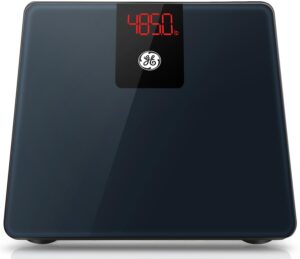
GE Bathroom Scale for Body Weight 5…
From the brand GE has been among the most valuable and respected brands in the world…
