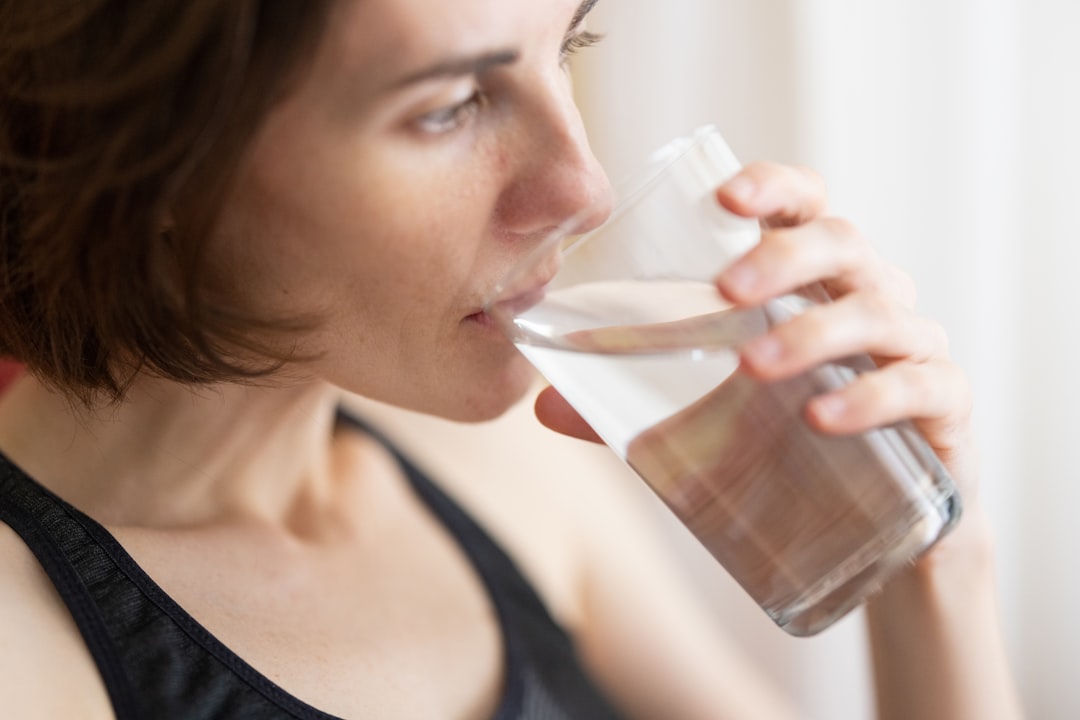
How to Stay Hydrated Before, During and After Exercise
Proper hydration is one of the simplest and most important performance and recovery tools you can use. Whether you’re doing a 20-minute HIIT session or a two-hour endurance ride, the way you hydrate before, during, and after exercise affects energy, power, focus, and how quickly your body recovers.
This practical guide explains what to drink, when to drink it, how to estimate your needs, and the gear and products that make staying hydrated easier and more consistent.
Why hydration matters for exercise
Water is required for blood volume, temperature regulation, joint lubrication, and nutrient transport. Even a 2% loss in body weight from fluid loss can reduce strength, power, and cognitive function. During hard workouts you also lose electrolytes (sodium, potassium, magnesium) that plain water won’t replace—so strategy matters, not just volume.
Hydrate the right way before your workout
Start your exercise well-hydrated: drink 400–600 ml (13–20 oz) of fluid about 2–3 hours before training, then another 150–250 ml (5–8 oz) 10–20 minutes before starting if you feel thirsty. If you use stimulants or specialized blends, consider timing your intake so it supports both hydration and performance.
If you use pre-workout formulas to boost energy and focus, pick trusted options and use them as directed—especially in hot conditions. Many athletes use products like Transparent Labs Bulk Pre Workout Powder to complement their hydration and warm-up routine.
What to drink during moderate and intense workouts
For workouts under an hour, cold water is usually sufficient. For sessions longer than 60 minutes, or for repeated hard intervals, add electrolytes and some carbohydrates to maintain performance and prevent cramping. Electrolyte powders are compact and easy to add to bottles — look for formulas with sodium, potassium, and magnesium.
Products such as Zeal Naturals Electrolyte Powder provide a mix of minerals and B-vitamins that can be mixed into water to replace salts lost in sweat and sustain energy during longer efforts.
Gear that helps: bottles, shakers and temperature control
Carrying the right bottle makes frequent sipping simple. Insulated and leakproof bottles keep fluids cold and accessible throughout workouts, which increases intake and comfort. A durable bottle with a wide mouth makes it easy to mix powders and add ice.
For training and commuting, a product like the ENCOOL Leakproof Insulated Water Bottle is convenient for keeping fluids cold and sipping frequently during long sessions.
When you’re blending electrolyte mixes, shakes, or recovery drinks on the go, a shaker bottle simplifies mixing and reduces clumping. Consider investing in quality Protein Shaker Bottles so your powders dissolve cleanly and you can hydrate and refuel between sets or intervals.
Post-workout hydration and recovery strategies
After training, prioritize fluids and electrolytes within 30–60 minutes to restore blood volume and begin the recovery process. Start with 16–24 oz (450–710 ml) of fluid and continue sipping over the next few hours. If your session was long or extremely hot, include a drink with sodium to speed rehydration.
Hydration pairs with protein to rebuild muscle and restore glycogen. While not a hydration product per se, consuming appropriate recovery shakes or powders helps create a balanced post-workout beverage. Browse quality options in the Protein Powders category to mix with water for a low-volume, high-protein recovery drink that also contributes to fluid intake.
How to measure needs: weigh in and track sweat losses
A practical way to estimate fluid needs is to weigh yourself before and after exercise. Each 1 lb (≈0.45 kg) lost equals roughly 16–24 oz (470–700 ml) of fluid you should replace. To measure this reliably, you can use a body scale at home to track changes and adjust plan accordingly.
Consider a dependable scale such as the GE Bathroom Scale for Body Weight to take quick pre- and post-workout measurements and quantify sweat rate over multiple sessions.
Nutrition and hydration: synergy, timing, and practical combos
Hydration and nutrition work together. Meals with adequate sodium help retain fluid; carbohydrates in drinks sustain intensity. For busy mornings or travel days, meal replacement drinks that combine carbs, electrolytes, and protein can serve both hydration and nutrition needs.
If you need a compact, drinkable option after long workouts or when you can’t sit down for a meal, explore Meal Replacement Shakes which can be mixed with water to deliver calories, electrolytes, and protein while contributing to rehydration.
Common mistakes and how to avoid them
Avoid overdrinking plain water immediately after intense or long exercise without sodium — this can dilute blood sodium and increase cramping risk. Don’t rely only on thirst for intense training days; thirst lags behind true fluid need. Also avoid sugary drinks as your primary source of hydration; they can upset stomachs and slow fluid absorption if too concentrated.
Quick checklist: what to do before, during, and after
- Before: Drink 400–600 ml (13–20 oz) 2–3 hours before training.
- Pre-warm-up: Sip 150–250 ml (5–8 oz) 10–20 minutes before starting.
- During (<60 min): Water is fine; sip every 10–20 minutes.
- During (>60 min): Add an electrolyte powder to your water.
- After: Replace 1.5x the volume lost (weigh before/after), include sodium and some carbs.
- Gear tip: Use insulated and leakproof bottles for cold drinks and easy access.
FAQ
- How much water should I drink during a 90-minute run? For 60–120 minutes, aim to sip 150–300 ml (5–10 oz) every 15–20 minutes and include an electrolyte solution to replace sodium lost in sweat.
- Can I just drink sports drinks instead of water? Sports drinks are useful for long or intense sessions because they replace electrolytes and provide carbs. For short, low-intensity workouts, plain water is typically sufficient.
- Is cold or room-temperature water better? Cold water helps lower core temperature and is often easier to drink in larger amounts; insulated bottles help keep it cold for longer workouts.
- How do I prevent cramping from dehydration? Ensure adequate electrolyte intake (especially sodium and potassium) before and during long or hot workouts, and avoid overdrinking plain water without electrolytes.
- What if I don’t like plain water? Use flavoring from electrolyte powders, add a splash of juice to provide small amounts of carbohydrates, or alternate with low-sugar sports drinks to maintain intake.
Conclusion — one practical takeaway
Make hydration a simple habit: sip regularly, use an insulated bottle, add electrolytes for sessions longer than an hour, and weigh yourself occasionally to fine‑tune replacement. Small, consistent choices before, during, and after exercise deliver better performance and faster recovery.
Products Featured in This Article

Transparent Labs Bulk Pre Workout P…
Product description 1 Betaine Anhydrous 2 Beta-Alanine 3 PurCaf Organic Caffeine 4 L-Citrulline Mallate Shop Other…

Zeal Naturals Electrolyte Powder &#…
Product description Electrolyte Powder Recovery Drink – Sugar Free – for Men & Women Hydration Supplement…

ENCOOL Leakproof Insulated Water Bo…
Product description Leakproof Lid You Can Trust: Designed with a secure sealing structure to help prevent…
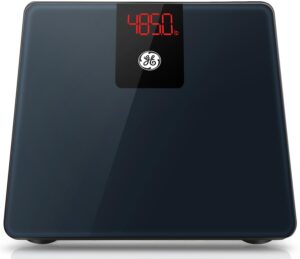
GE Bathroom Scale for Body Weight 5…
From the brand GE has been among the most valuable and respected brands in the world…
