
How to Improve Mobility Without Spending Hours Stretching
Improving mobility doesn’t have to mean long, boring stretching sessions. Small, targeted actions done consistently deliver better results than occasional marathon stretches. This post gives practical, time-efficient strategies you can use in everyday life to move better, reduce stiffness, and protect joints.
Follow these simple principles: move often, load through full ranges, recover smartly, and support your body with basic nutrition and hydration. Below are clear tactics, short routines, and tools that make mobility gains without a huge time commitment.
Know what mobility really is
Mobility is the ability to control joints through a usable range of motion under load, not just how far you can passively stretch. That distinction changes the approach: instead of long passive holds, focus on controlled movement, joint-specific strength, and integrating mobility into daily tasks.
Rethink stretching: use micro-mobility bursts
Replace one 20-minute stretch session with three or four 90–120 second mobility bursts throughout the day. Examples: 90 seconds of shoulder circles and scapular slides at your desk, 90 seconds of hip CARs (controlled articular rotations) while waiting for coffee. These short sessions preserve tissue quality and improve movement without boredom or soreness.
For gentle resistance and added stimulus during short sessions, lightweight tools are handy—use resistance bands to add tension to hip, shoulder, and ankle drills. A band takes up almost no space and speeds progress.
Build strength through the range — don’t ignore resistance work
Strength is mobility’s partner. You want the muscles around a joint to be strong where they need to work, not just flexible. Short sets (2–3 sets of 6–10 reps) performed with control through full ranges improve joint control without long gym sessions. Focus on compound movements: squats to a comfortable depth, Romanian deadlifts or hip hinges, and loaded carries for the upper back and shoulders.
Home-friendly options make consistency realistic. A simple pair like the Yes4All dumbbells let you add progressive load to the joints you want to protect and mobilize.
Micro-workouts you can do anywhere
Five minutes is enough if it targets the right patterns. Try a 5-minute mobility circuit: 30 seconds cat–cow, 30 seconds hip CARs each side, 30 seconds wall slides, 60 seconds slow lunges (alternating), finish 60 seconds with ankle mobility drills. Repeat once more on busier days.
Audio cues and short guided routines increase adherence. Lightweight audio devices like open-ear earbuds let you follow micro-workout cues without disconnecting from your environment.
Smart recovery tools that shave time
Efficient recovery preserves gains from short mobility and strength sessions. Rather than long sessions of passive stretching, combine short movement, targeted soft tissue work, and cold/contrast therapy when needed to reduce inflammation or soreness.
A compact cold option like the FlexiKold gel ice packs are useful after a hard day or for acute flare-ups—applied briefly, they can reduce swelling and let you return to mobility work sooner.
Hydration and electrolytes for joint and tissue function
Hydration influences tissue pliability and joint lubrication. Carrying water and sipping consistently keeps joints and muscles working smoothly during your day. An insulated bottle that stays cold encourages more sips.
For convenient hydration on the go, consider an insulated water bottle. When you sweat a lot or have longer active days, an electrolyte powder can replace minerals quickly without bulky drinks—helpful if you’re doing several short mobility or strength bursts per day.
Support the plan with simple nutrition
Daily protein and balanced meals support tissue repair and the strength work that underpins mobility. You don’t need elaborate meal prep—aim for a protein source with each main meal and include some whole-food carbs and vegetables for joint health and energy.
If you need a convenient protein option after a short session, a high-quality protein powder can be an easy, time-saving solution to hit daily targets and help recovery.
Use tech and reminders to build the habit
Mobility is a habit. Track micro-sessions, set reminders, and monitor trends so you can adjust. Devices that record movement and nudge you to move are surprisingly effective at creating consistency.
Look for simple trackers that log activity and prompts—the fitness trackers category has devices that integrate short movement reminders into your day, making micro-mobility easy to sustain.
Quick sample routine (10 minutes)
- 1 min: Controlled shoulder circles + wall slides
- 2 min: Hip CARs (1 min per side)
- 2 min: Slow walking lunges (focusing on knee tracking)
- 2 min: Tall goblet squats or bodyweight squats through full range
- 1 min: Ankle mobility (rocking toes up/down, banded ankle if available)
- 2 min: Dead bugs or plank variations to load the core under range
Small checklist to improve mobility fast
- Move at least 3–5 times per day for 1–3 minutes.
- Add 2–3 strength sets through the full range, 2–3 times weekly.
- Use short recovery tools when sore—ice for acute flare-ups.
- Stay hydrated with an insulated water bottle and electrolytes as needed.
- Track movement with a simple fitness tracker or phone reminders to build consistency.
FAQ
- Do I need to stop stretching entirely? No. Passive stretching has value, but prioritize short, active mobility sessions and strength through range for faster, more durable improvements.
- How often should I do micro-mobility bursts? Aim for 3–6 short bursts spread through the day. Consistency matters more than duration.
- Can strength training hurt mobility? Properly programmed strength training improves mobility. Use controlled ranges and avoid pushing painful end-ranges aggressively.
- What if I have joint pain? If pain is severe or new, consult a healthcare professional. For manageable aches, reduce load, prioritize movement quality, and use brief recovery methods like targeted ice packs.
- Are supplements necessary? Not required. Basic nutrition, hydration, and adequate protein are the foundation. Targeted supplements (electrolytes, protein powders) can be convenient when you’re busy.
Practical takeaway: replace one long stretching session with multiple short, specific mobility and strength bursts throughout the day. Use simple tools—a band, a set of dumbbells, a compact ice pack, and a water bottle—to support progress without adding hours to your schedule. Small, consistent moves win.
Products Featured in This Article
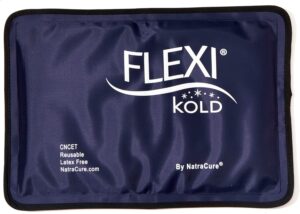
FlexiKold Gel Soft Flexible Ice Pac…
Product description Are you ready to level up? Experience the ultimate in cold therapy with FlexiKold,…

Zeal Naturals Electrolyte Powder &#…
Product description Electrolyte Powder Recovery Drink – Sugar Free – for Men & Women Hydration Supplement…

ENCOOL Leakproof Insulated Water Bo…
Product description Leakproof Lid You Can Trust: Designed with a secure sealing structure to help prevent…


Yes4All Neoprene Dumbbells, Pairs a…
Build a flexible home workout setup with Yes4All Neoprene Dumbbells, available in individual pairs and multi-weight…

Resistance Bands for Working Out, 5…
Resistance Bands for Working Out Complete 5-Pack Fitness Kit: This versatile set of durable resistance bands…
