
How to Choose the Right Cardio Machine for Your Fitness Goals
Choosing the right cardio machine makes training safer, more effective, and easier to stick with. The best machine for you depends on your goals, body, space, and how you like to exercise—not marketing or the most expensive model.
This guide breaks down the main machine types, what to prioritize when comparing models, how to test one before you buy, and practical routines tied to common goals. Use the sections below to match a machine to what you actually want to achieve.
1. Define your primary goal
Start by naming your objective: weight loss, cardiovascular fitness, race training, rehab/low-impact work, or cross-training. Goals dictate the metrics and machine features that matter most. For example, steady-state endurance favors a treadmill or long-distance bike sessions, while time-efficient intervals work well on rowing machines or air bikes.
2. Compare machine types: strengths and trade-offs
Treadmills are the most versatile for runners and walkers because they replicate outdoor mechanics and allow controlled pace and incline. If you want a compact option or a household-friendly choice for walking and light running, consider a model like Treadmills for Home Walking Pad.
Stationary bikes split into upright, spin, and recumbent styles. Recumbent bikes are ideal for users needing low-impact sessions or back support—look at options such as MERACH Recumbent Exercise Bikes for Home for comfortable, steady cardio.
Ellipticals and stair climbers offer low-impact, weight-bearing movement and are good for calorie burn with less joint stress. Rowing machines provide a full-body, high-calorie workout but require proper technique. Air bikes are unmatched for high-intensity intervals because resistance scales with your effort.
3. Impact, joint health, and form
If you have joint pain, prior injuries, or mobility limits, prioritize low-impact machines (recumbent bikes, ellipticals, or rowers) and ensure a model that allows easy entry and exit. Monitor intensity objectively—training by perceived exertion is fine, but pairing that with data from devices like Heart Rate Monitors helps you stay in the right training zones without overloading vulnerable joints.
4. Key features to prioritize
Not every model needs every feature. Focus on features tied to your goal:
- For running: incline range, stable frame, and a long belt.
- For intervals: quick-resistance changes and responsive controls.
- For tracking progress: built-in metrics or compatibility with external devices—consider pairing with Fitness Trackers to record workouts and recovery automatically.
- For space: folding design or compact footprint.
5. Tech, connectivity, and motivation
Connectivity makes long-term use easier—Bluetooth or ANT+ lets machines sync with apps, virtual classes, and wearables. If you train outdoors and want pace/distance continuity between treadmill and outdoor runs, look for compatibility with GPS Running Watches.
Audio and comfort matter for adherence. If you depend on music or coaching, choose a machine that supports reliable media or pair it with dedicated audio gear like Workout Earbuds for uninterrupted instruction and safer awareness during sessions.
6. Hydration, recovery and session planning
Cardio sessions increase fluid and electrolyte loss—keep hydration accessible. Durable options such as Insulated Water Bottles are useful during long workouts or when leaving bottles in a home gym. For post-session recovery, consider an electrolyte supplement to replace salts and support rehydration—products like Zeal Naturals Electrolyte Powder provide a ready option without added sugars.
7. Space, budget and maintenance considerations
Measure your available space and factor in machine dimensions plus clearance. A high-end treadmill or rower is an investment; prioritize durability (frame solidity, weight capacity) and serviceability (local repair options and warranty). Cheaper machines may cut costs in motors, bearings, or display electronics—inspect reviews focusing on real-world longevity rather than marketing specs.
8. How to test-drive a machine before buying
Always test for comfort and real-use behavior. For treadmills, run at your usual pace and check belt smoothness and shock absorption. On bikes, confirm seat shape and handle reach; recumbent seats should support your lower back without forcing hip flexion. On rowers, ensure the damper or air resistance feels natural across tempos. Try programs and simulate a full interval session to see how the machine responds.
9. Sample routines by goal
Match sessions to your objective so the machine supports progress:
- Weight loss: 30–45 min mix of steady-state and 2–3 HIIT sets per week. Use incline or resistance to increase calorie burn.
- Endurance: Long steady sessions (45–120 minutes) on treadmills or bikes at conversational pace; build duration weekly.
- Race training: Tempo runs and intervals on treadmills that allow pace control; supplement with outdoor GPS watch work.
- Low-impact rehab: Short, frequent sessions on recumbent bikes or ellipticals; keep intensity moderate and track heart rate.
Quick buying checklist
- Goal alignment: machine type matches primary objective
- Space & footprint: measured clearance and storage plan
- Comfort: test seat, stride, belt, or handle fit in person
- Durability: frame weight capacity and component quality
- Metrics & connectivity: does it support your tracking devices/apps?
- Service & warranty: local support and clear return policy
- Hydration & recovery plan: bottle holders and electrolyte options available
Conclusion
Pick a machine that aligns with your primary goal, fits your body and space, and offers the right features to keep you consistent. Test before you buy, prioritize durability and comfort, and support your sessions with proper hydration and tracking. The right match makes cardio efficient, motivating, and sustainable.
FAQ
- Q: Which machine burns the most calories?
A: Calorie burn depends on intensity and effort. High-intensity machines like air bikes and rowing machines typically produce high burn rates per minute, but long steady-state treadmill or bike sessions also accumulate calories efficiently.
- Q: Is a treadmill necessary for runners?
A: No—outdoor running is ideal for specificity, but treadmills are extremely useful for controlled pacing, hill work, and safe training in bad weather.
- Q: How important is tech connectivity?
A: It’s helpful for tracking progress and syncing with coaching platforms, but not essential. If you rely on metrics, ensure compatibility with devices like fitness trackers and GPS watches.
- Q: Can I get a good cardio workout on a recumbent bike?
A: Yes—recumbent bikes are excellent for low-impact, sustained cardio and can support solid calorie burn, especially with interval programs.
- Q: How often should I perform cardio each week?
A: Aim for at least 150 minutes of moderate activity or 75 minutes of vigorous activity weekly, adjusted for your goals and fitness level. Split into manageable sessions that fit your schedule.
Products Featured in This Article

Zeal Naturals Electrolyte Powder &#…
Product description Electrolyte Powder Recovery Drink – Sugar Free – for Men & Women Hydration Supplement…

ENCOOL Leakproof Insulated Water Bo…
Product description Leakproof Lid You Can Trust: Designed with a secure sealing structure to help prevent…

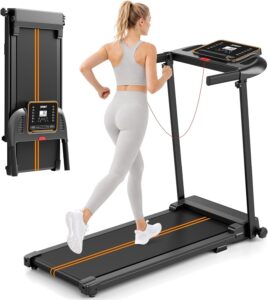
Treadmills for Home Walking Pad …
Product description 1 Large Display 2 12 Modes NOImported🏃Powerful 0.6–6.2 MPH Treadmill Motor with Handlebar Support…
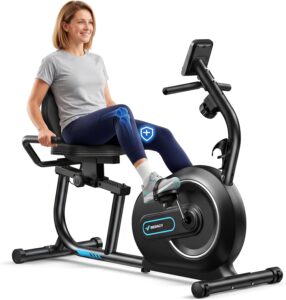
MERACH Recumbent Exercise Bikes for…
Product description 8-Level Adjustment Resistance: Designed for home use, this recumbent exercise bike features an 8-level…
