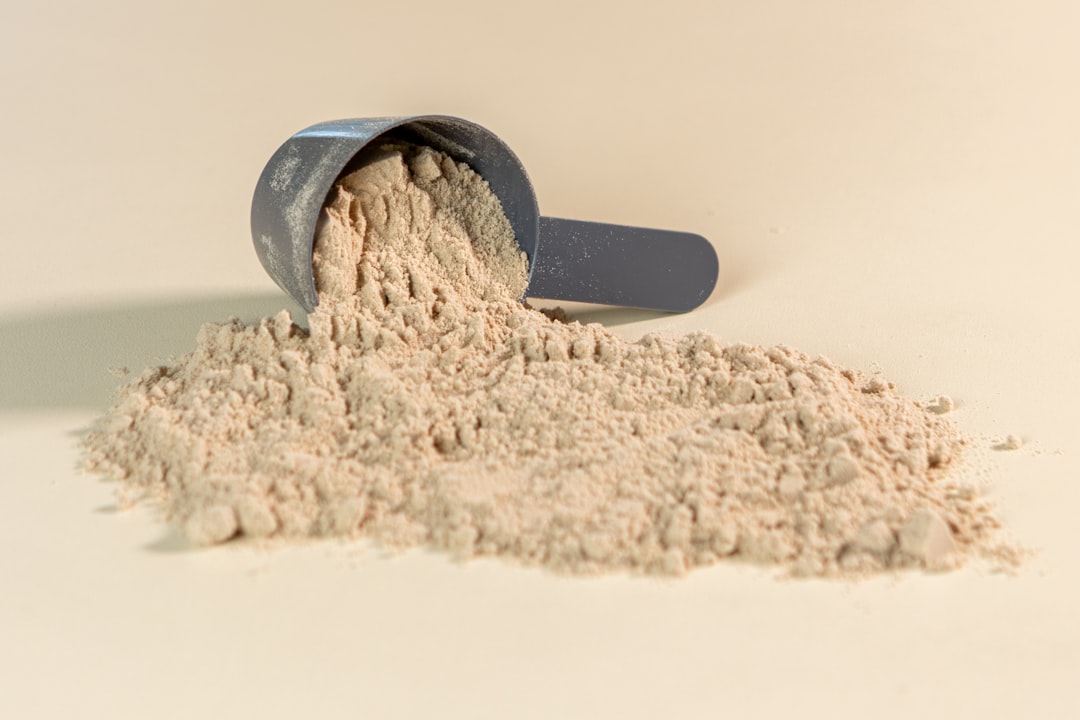
How to Choose a Protein Powder That Fits Your Goals
Choosing the right protein powder is less about brand hype and more about matching a formula to your goals, tastes, and routine. The market is crowded, but a few practical rules help you cut through the noise and pick a product you’ll actually use consistently.
This guide walks you through the decision points—goal alignment, protein type and quality, timing, mixability, budget, and convenience—so you can choose confidently and make protein powder a useful tool in your nutrition plan.
Start with your primary goal
Clarify whether your main objective is muscle gain, fat loss, recovery, or meal replacement. Different goals change what matters most: total protein per serving, calorie density, added carbs/fats, or micronutrients. If you’re shopping broadly, start by browsing a focused selection of Protein Powders to see the range of options and labels that match your intent.
Know the main types of protein powders
Basic options include whey (fast-absorbing), casein (slow-digesting), plant blends (pea, rice, soy), and specialty proteins (egg, collagen). Each has pros and cons: whey is great post-workout for most people, casein can support overnight recovery, and plant blends help vegans and those with dairy sensitivity.
If you prefer plant-based options, evaluate complete blends that combine pea and rice to cover essential amino acids—an example product to inspect for ingredient transparency is the Momentous Vegan Protein Powder.
Evaluate protein quality and ingredient transparency
Look for clear protein amounts per serving and an ingredient list you understand. Key markers: grams of protein per scoop, added sugars, artificial fillers, and whether the protein delivers adequate leucine (important for muscle protein synthesis). Third-party testing or transparent sourcing are added pluses.
For plant-based or mixed formulas that also focus on overall nutrition, products like Shakeology 0g Added Sugar Plant-Based Protein Powder show how manufacturers can combine protein with other nutrients; still, always prioritize grams of protein and ingredient simplicity first.
Match timing to your routine: when and how you’ll use it
Decide whether the powder will be used primarily post-workout, as a meal replacement, or as a snack. Fast-digesting proteins (whey isolate) are convenient after training; higher-calorie blends or meal-replacement shakes work better when you need a fuller meal-in-a-cup. If you use pre-workout supplements, plan the sequence so caffeine and other stimulants don’t upset your digestion or appetite—pair thoughtfully with your protein choices.
For readers who stack supplements, consider the compatibility of your protein with your chosen Pre-Workout Supplements to avoid unwanted side effects and optimize timing.
Practical factors: flavor, mixability, and allergies
Flavor and texture determine regular use. Powder that tastes great but clumps badly quickly ends up unused. Check reviews for mixability and try small sizes or sample packs when possible. If you travel or make shakes at the gym, a reliable shaker improves the experience—grab a sturdy Protein Shaker Bottles that seal well and are dishwasher-safe.
Measure servings and track cost per gram
Don’t judge value by price per tub alone. Calculate cost per gram of protein and factor in serving size and added ingredients. Accurately measure scoops and portions—especially when you’re optimizing macros—with a precise scale. A compact digital Food Scale lets you weigh powder by gram for consistent dosing and better cost comparisons.
Plan for convenience and variety
Use protein powder in multiple formats to prevent boredom: shakes, blended smoothies, pancakes, or baked goods. Meal prep tools help keep portions consistent and convenient—consider reliable Meal Prep Containers to store pre-made shakes or smoothies for busy mornings.
For quick on-the-go options that complement powder-based nutrition, keep a few quality Protein Bars in your bag as back-up fuel when making a shake isn’t practical.
How to trial a protein powder without waste
Buy single tubs or sample sizes, check return policies, and test under real conditions—post-workout, mixed in water, or blended with milk. Track how it affects appetite, recovery, and digestion for two weeks before deciding. If you like consistency, choose a brand and flavor that you’ll be willing to use daily rather than switching every month.
Quick checklist
- Goal matched? (muscle, fat loss, meal replacement, recovery)
- Protein type suitable for allergies and preferences
- Clear grams of protein per serving and simple ingredient list
- Reasonable cost per gram—use a food scale to verify servings
- Mixability and flavor tested via samples or small tubs
- Convenience plan: shaker, meal containers, or bars for busy days
FAQ
Q: How much protein should I aim for per serving?
A: Aim for 20–30 grams per serving if you’re using the powder for muscle support. Adjust based on total daily protein targets and meal planning.
Q: Are plant-based proteins effective?
A: Yes—complete plant blends that combine sources (e.g., pea + rice) can match animal proteins for daily needs, especially when consumed across the day.
Q: Should I take protein before or after workouts?
A: Post-workout intake is typically prioritized for recovery, but total daily protein matters more than exact timing for most people. Pairing with a carbohydrate source post-exercise can help refill glycogen when needed.
Q: How do I avoid powders with hidden sugars or fillers?
A: Read ingredient lists—avoid long lists of unrecognizable additives and watch for sugar, maltodextrin, or unnecessary flavoring agents. Choose products with transparent labeling.
Q: Is a shaker bottle necessary?
A: Not strictly, but it makes mixing quick and prevents clumps. For travel and convenience, a good Protein Shaker Bottles is inexpensive and helpful.
Conclusion — practical takeaway
Choose a protein powder by matching type and nutrition to your goals, testing flavor and mixability, and verifying cost per gram with accurate measurements. Start small, use tools that make daily use easy (shaker, scale, meal prep containers), and commit to one formula for a few weeks before switching. With a methodical approach you’ll pick a powder that supports your routine—not one that becomes shelf filler.
Products Featured in This Article

Momentous Vegan Protein Powder, 20g…
Product description The video showcases the product in use.The video guides you through product setup.The video…
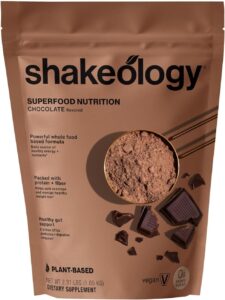
Shakeology 0g Added Sugar Plant-Bas…
Product description Product Dimensions : 12 x 9 x 3 inches; 2.38 pounds Date…
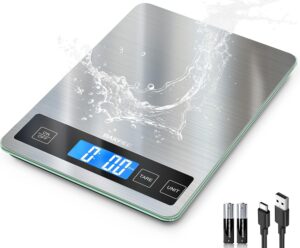
Food Scale, 33lb Kitchen Scale with…
Product description 1 Easy to clean 2 Backlit LCD Display 1 5 Units 2 Tare Function…
