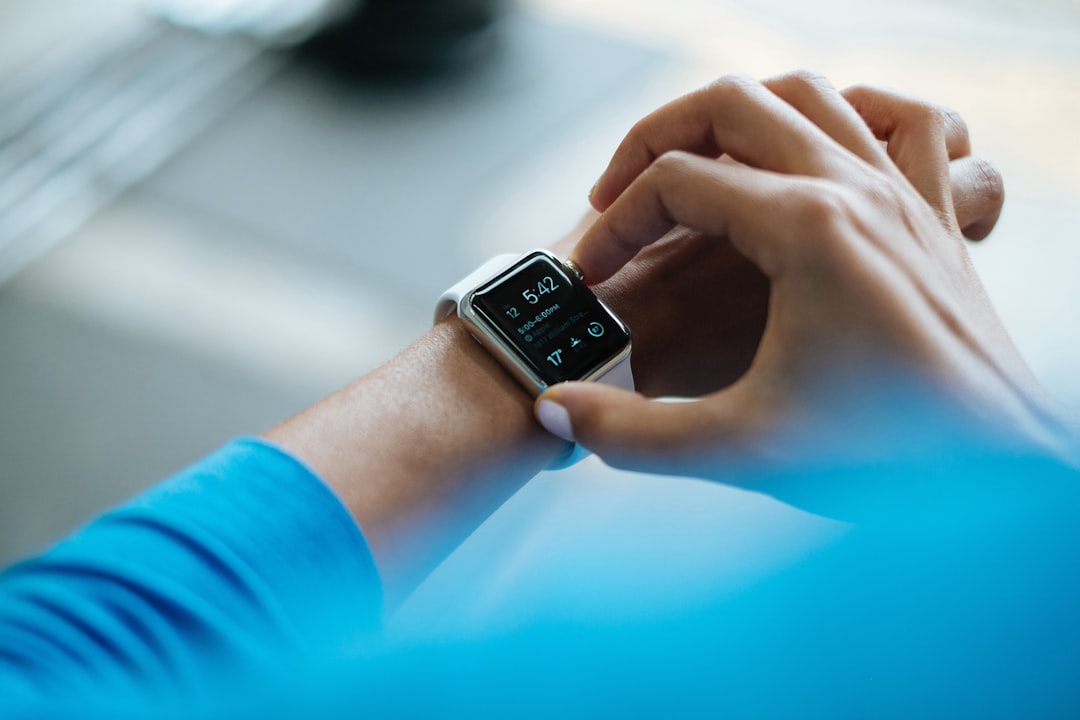
How to Choose a Fitness Watch for Your Lifestyle
Choosing the right fitness watch is more than picking the most expensive model or the one with the flashiest display. The best watch fits your daily routine, training needs, and how you want to use the data it collects.
This guide walks through the practical decisions—sensors, battery life, comfort, software and useful accessories—so you can match a watch to your real life and goals.
Know your primary goals
Start by clarifying what you want the watch to do most of the time. Are you tracking weightlifting and reps, long outdoor runs with GPS, swim sessions, or simply monitoring daily steps, sleep and stress?
If you want a generalist that covers heart rate, SpO2 and dozens of activity modes without breaking the bank, consider models marketed as all-in-one trackers—the kind described by many versatile fitness trackers that focus on broad functionality rather than niche sports features.
Key sensors and what they measure
Understand the sensors that will matter for your goals:
- Optical heart rate: continuous heart rate and HR zones for training intensity.
- GPS: essential for accurate pace and distance outdoors (running, cycling, hiking).
- Accelerometer/gyroscope: step counting, rep detection and activity recognition.
- SpO2 and skin temperature: useful for sleep and recovery insights.
If sleep and overnight oxygen are a priority, check watches alongside dedicated sleep solutions like the sleep tracker category to compare metrics and reporting approaches.
Battery, display and durability
Battery life shapes how you use the watch. If you don’t want to charge nightly, prioritize watches with multi-day battery life and power-saving GPS modes. Bright, AMOLED displays look great but can cut battery life; transflective displays are readable in sunlight and more efficient.
Also consider water resistance and ruggedness. If you train in the pool or outdoors in variable weather, look for IP68 or swim-rated designs. Mid-price options like the Amazfit Bip Max show how some models balance display quality, GPS and battery life to cover both on-the-go workouts and daily wear.
Comfort, fit and bands
Comfort is non-negotiable—an accurate watch worn consistently is better than a high-end model left on the dresser. Weight, thickness and strap material matter. For strength training, a snug, flexible band prevents sliding; for office wear, leather or metal finishes look better.
If you already own a watch you like but want a different look or a more comfortable option for workouts, swapping bands is an easy upgrade. Browse premium smartwatch bands that prioritize comfort and secure fittings for active use.
Software, ecosystem and data access
The watch’s companion app and ecosystem determine how useful your data becomes. Ask: Can you export CSV/TCX/GPX files? Does the app integrate with the coaching or nutrition apps you use? Is the interface clear and actionable?
Some watches collect lots of metrics but fail to present trends in a usable way. For athletes who want guided workouts and structured training plans, choose a platform known for strong analytics and third-party app support. For casual users, a simple, well-designed app that highlights weekly progress is often preferable.
Training modes, guided workouts and sensors in practice
If your routine includes multiple workout types, confirm that the watch recognizes them or offers structured modes—interval timers, swim stroke detection, cycling power metrics and strength training rep counters.
For those wanting flexibility between formal workouts and everyday monitoring, multi-mode devices such as smart bracelets with many sports modes provide a cost-effective balance of automation and specificity.
Lifestyle extras: sleep, stress, recovery and complementary gear
Consider the additional health signals you want tracked: sleep stages, HRV for recovery, menstrual cycle tracking or guided breathing for stress. Those features help convert raw numbers into daily decisions—train hard, take a rest day, or prioritize sleep.
Trackers work best when paired with simple recovery and nutrition tools. For consistent portioning and tracking of macros, a reliable kitchen scale like the Food Scale, 33lb kitchen scale can sync your intake habits with activity output. Staying hydrated matters too; using a sturdy bottle such as the Insulated water bottle can make it easier to meet daily fluid targets measured against your watch’s calorie and activity estimates.
Alternatives and additions to wrist-worn devices
If wrist wear is uncomfortable or you want discrete tracking, consider rings or clip devices. Smart rings can provide sleep and recovery metrics with minimal presence on the body; a compact option like the smart ring for women shows how smaller form factors can still deliver continuous monitoring.
Pairing a primary watch with an alternate wearable or bedside sensor gives you redundancy and can improve long-term adherence.
Checklist: What to compare before buying
- Primary goal: running/GPS, strength, swimming, or daily wellness?
- Sensors: HR, GPS, SpO2, accelerometer—do they match your goals?
- Battery life: daily charge vs. multiple days with GPS use.
- Comfort: watch weight, strap materials and quick-release band options.
- Software: app usability, export options and third-party integrations.
- Durability: water rating and build for your environment.
- Extras: guided workouts, sleep tracking, and recovery metrics.
- Accessories: spare bands, chargers and compatible clips or bottles for hydration tracking.
FAQ
Q: Do I need GPS on a fitness watch?
A: If you run, cycle or hike outdoors and care about accurate distance and pace, yes. For gym-only users GPS is less critical.
Q: How important is continuous heart rate monitoring?
A: Continuous HR helps with training zones, calorie estimates and recovery assessment. If you train by perceived exertion and recovery, it’s very helpful.
Q: Can I use any band with my watch?
A: Most watches support standard lug sizes or proprietary quick-release bands. If you want premium comfort or style swaps, look at dedicated bands made to fit common sizes.
Q: Are cheaper fitness watches accurate?
A: Many budget devices provide useful trends for steps and sleep. However, absolute accuracy for metrics like GPS pace and heart rate under heavy exertion can vary; compare real-user reviews for sport-specific accuracy.
Q: How do I keep using a watch long-term?
A: Prioritize comfort, long battery life and an app that you actually open. Small habits—charging at a set time, swapping bands for comfort, and linking data to your nutrition tools—drive long-term use.
Q: What accessories help get the most from a fitness watch?
A: Useful add-ons include spare bands, a reliable food scale for nutritional tracking, and a reusable water bottle to meet hydration targets during training.
Conclusion
Choose a fitness watch by matching sensors and software to your main goals, prioritize comfort and battery life, and pair the device with simple tools (scale, bottle, spare bands) to make data actionable. Practical choices and consistent use beat feature lists—pick the watch you’ll wear every day.
For everyday tracking and multi-sport versatility, consider models with proven sport modes and accessory options that suit your lifestyle—then test for a week and adjust bands or complementary gear as needed.
Products Featured in This Article
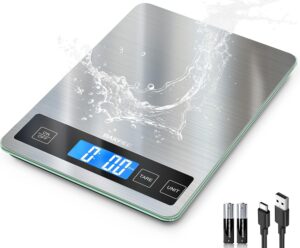
Food Scale, 33lb Kitchen Scale with…
Product description 1 Easy to clean 2 Backlit LCD Display 1 5 Units 2 Tare Function…

ENCOOL Leakproof Insulated Water Bo…
Product description Leakproof Lid You Can Trust: Designed with a secure sealing structure to help prevent…

Smart Watch Fitness Tracker with 24…
Health Fitness Tracker Smart Watch with Always on Display 24/7 Heart Rate Blood Pressure Blood Oxygen…

Amazfit Bip Max Smart Watch, 2.07&#…
Bip Max is built for those who want an everyday smartwatch that can keep up with…

Smart Ring for Women Fitness Ring, …
Product description R18 Select Your Model Remote Camera Menstrual Cycle HRV Friends Function Remote Camera Menstrual…

Smart Bracelet Fitness Trackers for…
1 【24/7 Health Monitoring & Free APP】:Combining advanced features of fitness trackers, Smart Bracelet and smart…
