How to Build a Balanced Plate for Everyday Nutrition
Eating well doesn’t have to be complicated. A balanced plate is a simple, repeatable framework that helps you meet daily nutrition needs, support energy, and make meal prep manageable.
This guide breaks down the components of a balanced plate, practical portioning strategies, and tools that make consistent, healthy choices easier—whether you’re cooking at home or packing meals to take with you.
What a balanced plate looks like
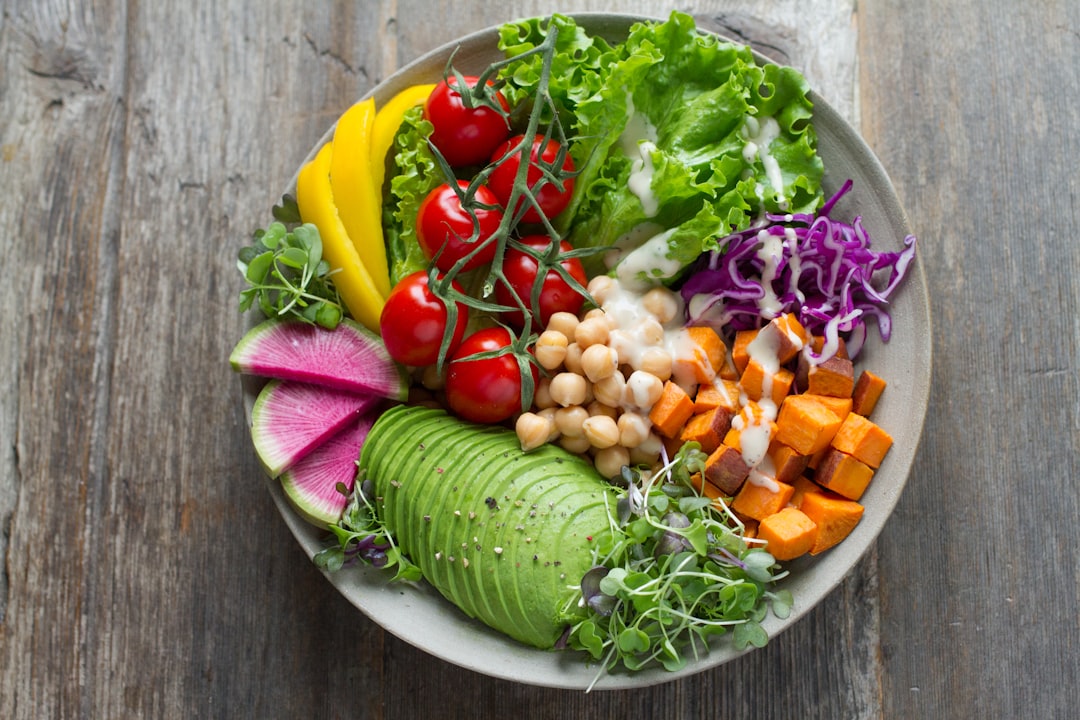
A balanced plate includes: lean protein, colorful vegetables, whole grains or starchy vegetables, and healthy fats. Think of your plate in quarters: half vegetables, one quarter protein, and one quarter carbohydrates, plus a small portion of healthy fat. This visual makes it easy to assemble meals without counting calories.
The macro breakdown and portion guide
For most adults, a practical starting macro split is roughly 25–35% protein, 30–40% carbohydrates, and 25–35% fat, adjusted for personal needs and activity level. Instead of strict numbers, focus on consistent portions: palm-sized protein, fist-sized carbs, and two cupped hands of vegetables per meal.
If you prefer precision for weight-loss or performance goals, use purpose-built portion control containers to standardize servings when you prepare meals. They take the guesswork out of plate assembly and help with calorie awareness.
Choosing quality proteins
Protein supports muscle repair, satiety, and stable blood sugar. Aim for a mix of animal and plant proteins across the week—chicken, fish, eggs, beans, lentils, tofu. For convenience or to boost intake post-workout, consider protein powders that fit your dietary preferences; they’re easy to add to smoothies, oatmeal, or pancake batter.
Vegetables and fruits: volume, variety, and fiber
Vegetables should take up the largest portion of your plate. Prioritize non-starchy vegetables (leafy greens, broccoli, peppers) for volume and fiber. Fruits are a concentrated source of vitamins and natural sugars—use them as snacks or dessert rather than the primary carbohydrate at meals.
Prepping a mix of roasted, steamed, and raw vegetables keeps meals interesting. Store prepped produce in reliable containers so you’re more likely to reach for them first when assembling a plate.
Whole grains and smart carbs
Choose whole grains and starchy vegetables such as brown rice, quinoa, sweet potato, oats, and whole-grain pasta. These deliver slow-release energy, fiber, and micronutrients. Keep portion sizes sensible: a cupped hand of cooked grain or a medium potato is typically an appropriate serving at a meal.
Healthy fats: how much and where to add them
Fats are essential for nutrient absorption and satiety. Include sources like olive oil, avocado, nuts, seeds, and fatty fish. A thumb-sized portion of oil or a small handful of nuts is usually enough. Add fats to salads, roasted vegetables, or as finishing touches rather than drenching everything—moderation matters for calorie balance.
Smoothies, quick swaps, and convenient meals
Smoothies can be a balanced meal when you include protein, fiber (fruit/veg), and healthy fat. For speed, consider fortified meal replacement shakes in situations where cooking isn’t possible. They can hold you over while still delivering balanced macronutrients.
If you blend at home, a portable blender is handy for single-serve smoothies at work or on the go; they’re compact, easy to clean, and make it simpler to include whole-food ingredients.
Smart meal prep and the tools that help
Meal prep reduces decision fatigue and keeps portion control consistent. Invest in durable meal prep containers so meals stay fresh and travel-friendly. These make plate assembly as simple as grabbing a container and heating it.
For greater accuracy, use a precise food scale to weigh proteins and grains until you learn your visual portion sizes. Tracking portions for a few weeks trains your eye and reduces long-term reliance on tools.
Quick snacks that fit a balanced plate philosophy
Choose snacks that combine protein and fiber to keep blood sugar steady. Options like Greek yogurt with berries, apple slices with nut butter, or a handful of nuts with carrot sticks are effective. For convenience, select high-quality protein bars with minimal added sugar for times when whole-food options aren’t available.
Hydration and small habits that compound
Hydration supports digestion, energy, and appetite regulation. Carry an insulated water bottle to keep water cold and visible—this increases intake and reduces sugary drink choices. Small habits like filling your bottle before leaving the house and adding a veggie with every meal compound into consistent nutrition wins.
Meal planning examples: three balanced plates
Here are quick templates you can repeat and tweak:
- Breakfast: Oatmeal with a scoop of protein powder, chopped nuts, and berries (protein + whole grain + healthy fat + fruit).
- Lunch: Grilled chicken, mixed greens and roasted vegetables, quinoa, olive oil vinaigrette (lean protein + veg + whole grain + healthy fat).
- Dinner: Baked salmon, steamed broccoli, sweet potato, side salad with avocado (protein + veg + starchy veg + healthy fat).
Checklist: daily balanced plate habits
- Half your plate non-starchy vegetables at most meals.
- One palm-sized serving of protein per meal.
- One fist-sized portion of whole grains or starchy vegetables.
- Add a small portion of healthy fat (thumb or handful).
- Prep ahead using containers and a food scale for consistency.
- Carry water in an insulated bottle and include protein-rich snacks.
FAQ
- How often should I eat to maintain a balanced plate?
Aim for 3 main meals with 1–2 snacks if needed, timed around your schedule and hunger cues. Consistency helps maintain energy and prevents overeating.
- Can I use shakes or bars instead of whole meals?
Occasional use of high-quality meal replacement shakes or protein bars is fine for convenience, but prioritize whole foods most of the time for fiber and micronutrients.
- How do I make balanced meals when I’m busy?
Cook in batches, store portions in meal prep containers, and keep portable tools like a portable blender for quick smoothies.
- Do I need to weigh my food forever?
No. Use a food scale and portion containers while learning portions—most people can transition to accurate visual portions after a few weeks.
- How can I include more vegetables if I don’t like them?
Start by blending leafy greens into smoothies, roasting vegetables with a flavorful spice rub, or incorporating them into soups, stews, and casseroles where textures and flavors are masked.
Conclusion: one practical takeaway
Start simple: make half your plate vegetables, add a palm-sized protein, a fist-sized whole grain or starchy veg, and a small amount of healthy fat. Use meal-prep containers and a food scale for the first few weeks to learn portions, carry a refillable insulated water bottle, and keep convenient protein options on hand to stay consistent.
Products Featured in This Article
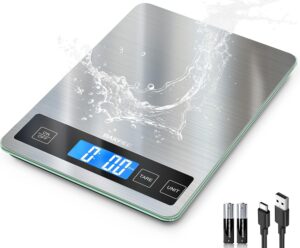
Food Scale, 33lb Kitchen Scale with…
Product description 1 Easy to clean 2 Backlit LCD Display 1 5 Units 2 Tare Function…

ENCOOL Leakproof Insulated Water Bo…
Product description Leakproof Lid You Can Trust: Designed with a secure sealing structure to help prevent…
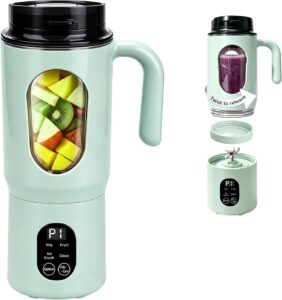
Lilogi 580ML Portable Blender with …
From the brand Lilogi Lilogi portable juicer combines style, convenience and nutrition. It’s your perfect companion…
