
Staying active when your calendar is packed doesn’t require hours at the gym. Small, consistent moves—spread through the day—add up and protect energy, focus, and long-term health. This post gives practical, no-nonsense strategies you can use starting today.
Each tip is realistic for busy people: short, effective, and designed to remove barriers. Pick a few that fit your routine and combine them into a simple weekly plan.
Squeeze in micro-workouts
If you can spare five to ten minutes, do a focused circuit: bodyweight squats, lunges, push-ups, or band-resisted moves. Keep a set of resistance bands in a drawer or backpack so training can happen anywhere—in a hotel room, at the office, or between meetings. Resistance bands are compact, versatile, and let you build strength quickly without taking up space: Resistance Bands.
Turn your commute and breaks into movement
Replace one-way driving with walking, park further away, or get off public transit a stop early. If your workday is mostly seated, an under-desk walking solution or compact treadmill lets you move while taking calls or reviewing documents. For small spaces and tight schedules, a walking pad can be the difference between sitting all day and hitting 6–8k steps: Treadmills for Home Walking Pad.
Use tech to stay accountable and efficient
A basic tracker that logs steps, short workouts, and active minutes turns abstract goals into measurable progress. Set a daily step or active-minute target and let your tracker nudge you toward movement when you’re idle. Choose a model that syncs to your phone and delivers reminders so you avoid decision fatigue: Fitness Trackers.
Desk-friendly stretches and standing routines
Standing periodically and doing mobility sets reduces stiffness and keeps energy up. Try a 2–3 minute cycle every hour: calf raises, hip circles, shoulder openers, and seated cat-cow stretches. Alternate standing meetings and use a timer to prompt movement. These small breaks restore focus and make it easier to transition into a short workout later.
Quick strength sessions: compound moves that save time
Strength training maintains muscle and metabolic rate even if you have limited time. Focus on compound movements—squat variations, Romanian deadlifts, rows, and presses—and keep workouts to 20–25 minutes, two or three times a week. A small dumbbell set or adjustable pair provides enough resistance for progressive overload without needing a full home gym: Dumbbells.
Hydrate smarter for steady energy
Dehydration amplifies fatigue and makes moving feel harder. Keep an insulated bottle at your desk to sip all day and carry it to meetings so you don’t skip fluids. Choose an insulated design that keeps water cold and is easy to clean; having a bottle you enjoy using removes one more excuse to skip hydration: Insulated Water Bottles.
Recover and refuel quickly
When time is limited, quick recovery tools help you bounce back between sessions. Electrolyte mixes and low-sugar recovery drinks are fast ways to replenish after sweaty workouts, especially when you have back-to-back commitments. Keep a travel pack in your bag so you can mix on the go: Electrolyte Powders.
Plan meals and batch prep to reduce decision fatigue
Busy schedules often derail activity because energy dips from poor food choices. Batch-cooking proteins, grains, and vegetables frees up time and ensures you have balanced meals ready. Using leakproof containers and a simple rotation of meals reduces mental load—pack lunches or post-workout meals so you can stay active without hunting for food: Meal Prep Containers.
Quick smoothies and on-the-go fuel
For mornings or between meetings, a nutrient-dense smoothie beats a missed meal. Personal blenders let you make a shake in under two minutes—add a scoop of protein, fruit, greens, and nut butter for balance. Keep a blender at work or in your car for reliable, portable nutrition: Personal Blenders.
- Set two non-negotiable movement windows per day (e.g., morning + lunch).
- Keep compact equipment on hand: bands, a pair of dumbbells, and a water bottle.
- Use a wearable or phone timer to prompt short breaks.
- Prep 2–3 grab-and-go meals each week.
- Track active minutes rather than obsessing over hours.
- Prioritize sleep and hydration to make movement feel easier.
FAQ
Q: How much activity is realistic if I only have 20 minutes daily?
A: Twenty focused minutes of high-quality movement (interval walking, a short strength circuit, or a mix of mobility and cardio) repeated most days delivers meaningful benefits. Prioritize consistency.
Q: Can micro-workouts replace a longer gym session?
A: Micro-workouts complement longer sessions and can replace them temporarily. To maintain strength, include progressive resistance in your short sessions.
Q: How do I avoid injury with quick, unsupervised workouts?
A: Focus on controlled movements, proper breathing, and technique over speed. Start with lighter resistance, warm up briefly, and increase intensity gradually.
Q: What if I travel frequently?
A: Pack bands and use bodyweight circuits. Choose hotels with walking paths or bring a compact personal blender and electrolyte packs to maintain nutrition and hydration routines.
Q: How can I stay motivated on days when I’m exhausted?
A: Lower the bar: do a 5-minute mobility or walk. Often starting is enough to build momentum. Use reminders, habit pairing (move after a specific meeting), and short rewards to keep consistency.
Practical movement doesn’t need perfection—consistency beats intensity for busy schedules. Pick two strategies from above, commit to them for two weeks, and you’ll build a sustainable routine that fits into your life.
Products Featured in This Article

Resistance Bands for Working Out, 5…
Resistance Bands for Working Out Complete 5-Pack Fitness Kit: This versatile set of durable resistance bands…
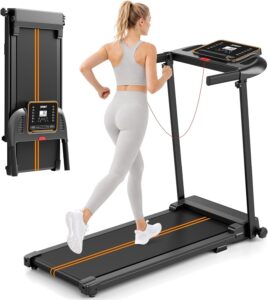
Treadmills for Home Walking Pad …
Product description 1 Large Display 2 12 Modes NOImported🏃Powerful 0.6–6.2 MPH Treadmill Motor with Handlebar Support…
